

GCC VAS
vasculitis
Latest Research Updates
Stay informed with recent GCC and international vasculitis studies.
Medical News & Events
Discover upcoming conferences and hospital research highlights.
Research Archive Access
Browse a growing database of medical papers and case reports.
Understanding Vasculitis and ANCA-Associated Disorders
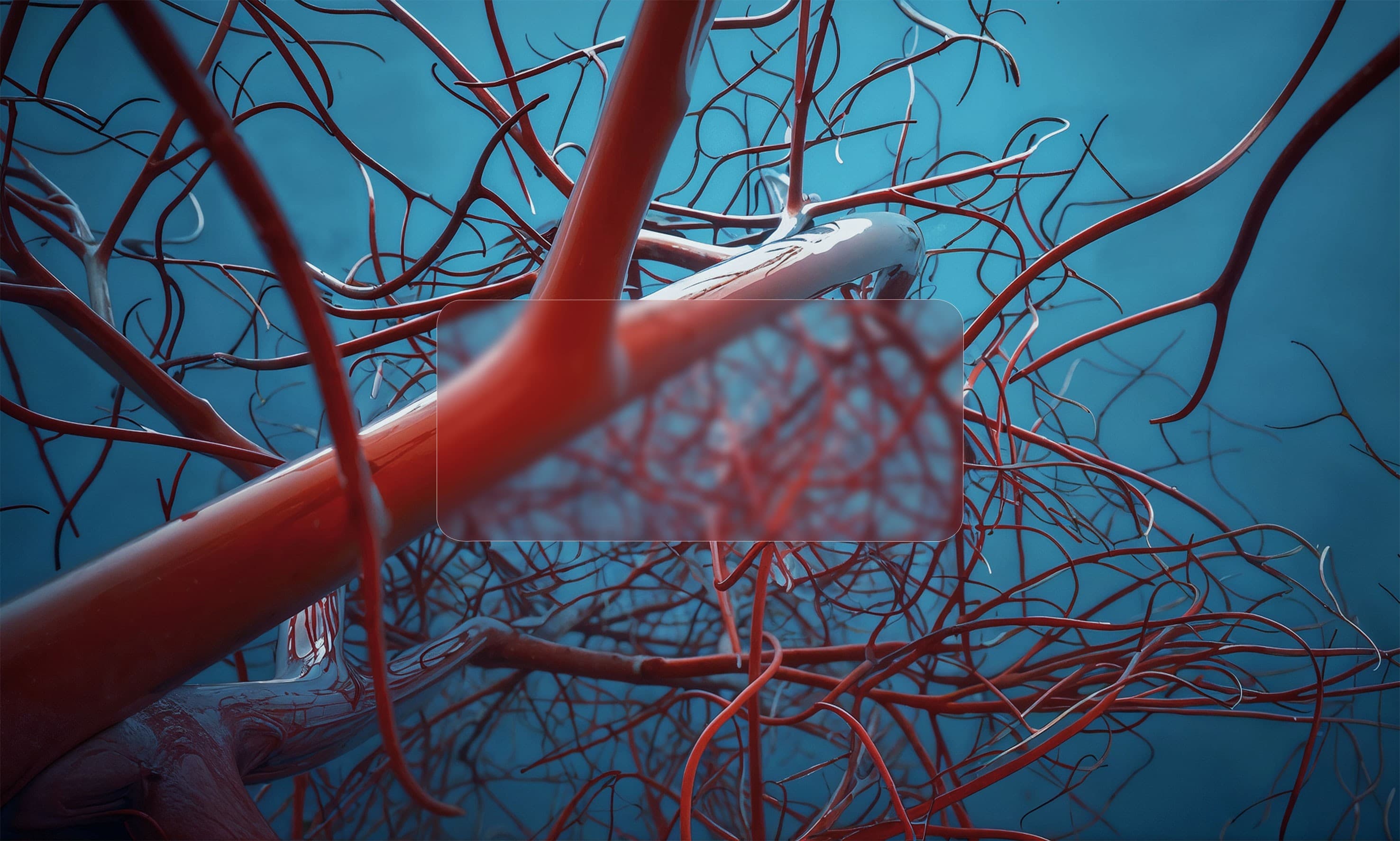
Vasculitis is a rare group of diseases that cause inflammation of blood vessels, leading to organ and tissue damage.
The 2 most common subtypes of ANCA-associated vasculitis are:
Granulomatosis with Polyangiitis (GPA)
A is a disease resulting from inflammation of the blood vessels.
In GPA, immune cells can cluster to form what is called a granuloma, which can damage surrounding tissues.
The lungs, kidneys, sinuses, ears, nose, and throat are often affected
Microscopic Polyangiitis (MPA)
MPA is another form of ANCA-associated vasculitis, characterized by inflammation of small blood vessels.
It commonly affects the kidneys, lungs, nerves, and sometimes the skin.
Unlike GPA, MPA usually does not cause granulomas but can lead to rapidly progressive kidney disease and lung involvement.


UPDATES AND NEWS
Discover the latest medical insights, conference news, and regional studies on vasculitis.


GCC Vasculitis Research Archive
Access a growing collection of peer-reviewed studies, case reports, and clinical data from across the GCC.

ANCA‑Associated Vasculitis with Systemic Thrombotic Microangiopathy: A Literature Review
Abstract / Summary:
This review focuses on patients with ANCA‑associated vasculitis (AAV) who also develop systemic thrombotic microangiopathy (TMA), a rare but severe complication. TMA conditions discussed include hemolytic uremic syndrome (HUS) and thrombotic thrombocytopenic purpura (TTP).
The authors conducted a literature search covering publications from January 1998 to September 2022. They selected 15 reported cases of concurrent AAV and systemic TMA. The median patient age was 61 years, and approximately two-thirds were female. MPO‑ANCA positivity was more frequent than PR3‑ANCA positivity.
Key Findings:
Most patients achieved hematological remission after treatment.
-
Kidney involvement varied among patients, with some requiring intensive renal support.
-
Early recognition of TMA in AAV patients is crucial for effective multidisciplinary management.
Significance:
This review highlights the complexity of managing AAV when associated with systemic TMA. Clinicians in rheumatology, nephrology, and internal medicine can benefit from understanding these rare but severe presentations to improve outcomes.
Authors:
Indian Journal of Nephrology (2022)
Source / PDF Link:Download PDF – Indian Journal of Nephrology
Most patients achieved hematological remission after treatment.
-
Kidney involvement varied among patients, with some requiring intensive renal support.
-
Early recognition of TMA in AAV patients is crucial for effective multidisciplinary management.
Significance:
This review highlights the complexity of managing AAV when associated with systemic TMA. Clinicians in rheumatology, nephrology, and internal medicine can benefit from understanding these rare but severe presentations to improve outcomes.
Authors:
Indian Journal of Nephrology (2022)
Source / PDF Link:Download PDF – Indian Journal of Nephrology
Most patients achieved hematological remission after treatment.
Kidney involvement varied among patients, with some requiring intensive renal support.
Early recognition of TMA in AAV patients is crucial for effective multidisciplinary management.
Significance:
This review highlights the complexity of managing AAV when associated with systemic TMA. Clinicians in rheumatology, nephrology, and internal medicine can benefit from understanding these rare but severe presentations to improve outcomes.
Authors:
Indian Journal of Nephrology (2022)
Source / PDF Link:Download PDF – Indian Journal of Nephrology
by: Indian Journal of Nephrology (2022)
Read More


How Does Vasculitis Affect the Body?
Vasculitis causes inflammation of blood vessels, which can reduce blood flow and damage vital organs. The effects vary depending on which parts of the body are involved.




Skin
- Small-vessel inflammation in the skin causes purpura, ulcers, or rashes
- Muscle involvement leads to pain, weakness, and tenderness
What should I look out for when managing severe active Vasculitis?
Managing severe active vasculitis can be challenging for both patients and healthcare professionals. The condition can affect multiple organs, and the medications used to control inflammation often come with side effects that require close monitoring.

Timely Diagnosis
Early recognition of symptoms is critical to prevent irreversible organ damage. Regular evaluation helps detect disease activity early.

Achieving Remission
The primary goal of treatment is to control inflammation and reach remission safely, balancing medication efficacy and side effects.

Preventing Relapse
Even after remission, flare-ups can occur. Continuous monitoring and medication adherence are essential.

Treatment Toxicity
Immunosuppressive therapies can cause infections or organ side effects. Close lab and clinical follow-up are required.

Impact on Organ Function
Vasculitis may affect the kidneys, lungs, nerves, or skin. Periodic organ function testing is important to detect changes early.

Effect on Quality of Life
Fatigue, anxiety, and lifestyle adjustments can impact daily wellbeing. Support groups and open doctor–patient dialogue help maintain quality of life.